Multimodal AI: The New Norm — Text, Images, Audio & More in One Agent
Knackroot
10/17/2025
Introduction
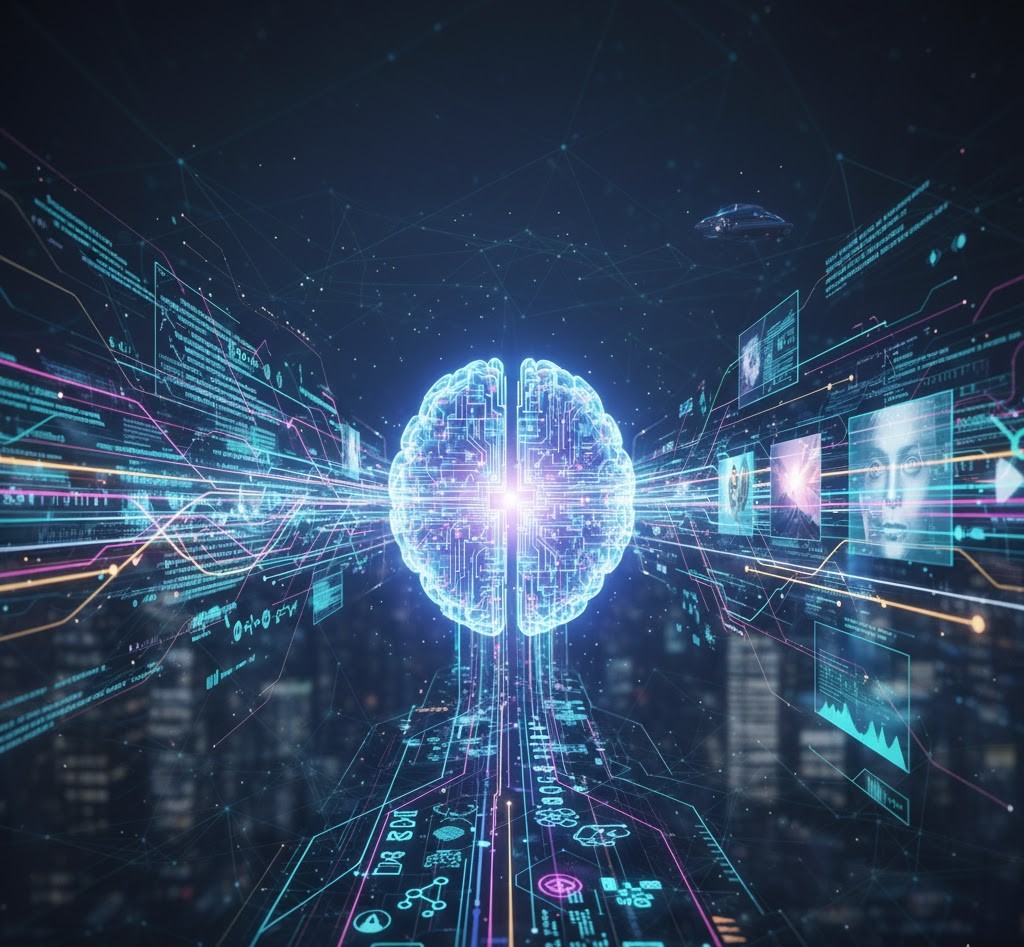
Artificial Intelligence is rapidly evolving beyond text-based capabilities. Modern AI agents are now multimodal, meaning they can process and understand multiple forms of data—text, images, audio, video, and even sensor inputs. This shift allows AI to interact with the world more holistically, offering richer and more accurate responses, bridging the gap between human perception and machine understanding.
“Multimodal AI is not just smarter—it sees, hears, and understands the world like never before.”
Why Multimodal AI Matters
Traditional AI systems often operate in a single modality, such as text or images. While effective for certain tasks, this limitation restricts the model's understanding of real-world context. Multimodal AI agents overcome this by integrating multiple types of inputs, enabling them to: provide more nuanced answers, interpret ambiguous information, and perform complex tasks that require cross-modal reasoning. This makes them indispensable for applications like virtual assistants, content creation, and human-machine collaboration.
How Multimodal AI Works: Key Components
Multimodal AI relies on advanced architectures and techniques to fuse diverse data types into a unified understanding:
Real-World Applications
Multimodal AI agents are revolutionizing industries and user experiences:
Challenges and Considerations
While promising, multimodal AI comes with technical and practical challenges:
The Future of Multimodal AI
As multimodal AI matures, we can expect agents that: combine real-time video, audio, and textual inputs seamlessly; collaborate with humans in creative and analytical tasks; and interact with complex environments autonomously. The next wave of AI will not only generate content or provide answers but perceive the world and act intelligently across multiple dimensions, unlocking possibilities in robotics, AR/VR, education, and beyond.
Conclusion
Multimodal AI is redefining what intelligent systems can achieve. By processing text, images, audio, and other modalities together, AI agents gain a richer understanding of context, leading to smarter, more nuanced, and actionable outputs. As organizations adopt multimodal AI technologies, they will unlock innovative applications that were previously impossible with unimodal systems, setting the new standard for the future of human-machine interaction.
Want to learn more about Blockchain or AI?
Explore more blogs and stay updated with the latest in Web3, AI, and emerging technologies.
Read More Blogs